Categories
Events News

Summer School: “Gods, Fields, Minds and Mines”, 16 to 22 June 2025 at the Goethe University ‘Guest House Bergkranz’ in Kleinwalstertal (Austria)

From 16th to 22nd of June 2025, scholars, PhD students, master’s and bachelor’s students from India, Germany and the Netherlands gathered at the stunning mountain retreat of Goethe University’s ‘Guest House Bergkranz’ in Kleinwalstertal, Austria. This summer school, jointly organised by the Goethe University Frankfurt/Frobenius Institute (Germany), the Indian Institute of Technology Delhi (India) and the University of Groningen (The Netherlands), consisted of interactive lectures on conversion, agriculture, education and extractivism in contemporary India. Although these subjects seem to be quite diverse, during the week it became clear that there is a common ground: the phenomenon of cultural change and the complexities and predicaments of contemporary lifeworlds of the Indigenous population (Adivasi) of Odisha, India.

The week opened with an introduction by the organisers, Prof Dr Roland Hardenberg (Goethe University Frankfurt) and Dr Peter Berger (University of Groningen), emphasizing the main goals of this summer school: to understand the entanglements between “Gods” (conversion), “Fields” (agriculture), “Minds” (education) and “Mines” (extractivism), build an academic network and discuss future research and study possibilities. The first two days were mainly dedicated to Indigenous agriculture when PhD students Ashutosh Kumar, Nidhi Trivedi, Suneet Kumar and Indhubala Kesevan presented their research on cereal cultures in Odisha, India, including the screening of the new documentary film “Crops of Life” (director Kunal Vohra/Altair Films), which is based on their research.

On Wednesday, the participants took a short break from lectures to enjoy a hiking excursion in the nearby Gemsteltal valley led by Dr Stefan Jocham and Anna Frehse, two regional experts working for the Kleinwalsertal tourism agency. During the excursion, the participants gained important insights into the history of the valley, the ecological challenges it faces and how the local communities are trying to achieve harmonious coexistence between people, animals and plants in this beautiful but fragile environment. On Thursday, the programme continued with lectures and discussions on mass education in Odisha — a relevant topic for understanding the activities of national and international mining companies. Dr James Narendra Bondla (Frobenius Institute) introduced the topic of the so-called factory schools in his lecture ‘Resource extraction and schooling in India’. Malvika Gupta, DPhil (University of Oxford, UK), then reported on her research on Indigenous movements in India and Ecuador in her presentation ‘State policies, extractive industries and Indigenous education: new mode of assimilation?’. Finally, the Indian activist Sharanya Nayak shared her experiences and her film ‘The Laboratory Project’ about local education in the tribal areas of Odisha.

Friday was reserved for seminars and discussions on the topic of cultural change. It began with Dr Peter Berger, who provided the theoretical framework from Marshall Sahlins’ work on ‘Theory of the Event’. This framework provided orientation for the participants in the subsequent discussions and in understanding and analysing cultural change. Dr Baktygul Shabdan (Goethe University Frankfurt) contributed to this theme with her presentation on cultural and religious change in post-Soviet Kyrgyzstan, followed by Aswino Gomango (Assistant Professor at Maa Manikeshwari University, Odisha), who reported on his research concerning the ‘Christian conversion and changing identity of the Saora Adivasi in the Highlands of South Odisha, India’.

Saturday morning was reserved for individual activities, such as climbing to the top of a nearby mountain, visiting a waterfall, short hikes or some souvenir shopping in the village. In the afternoon, the programme continued with brainstorming sessions and discussions on future research, advocacy and activism in cultural anthropology, as well as career and study prospects and publication strategies.

Between seminars, spread throughout the week, participating students prepared presentations on their own topics of interest and preliminary empirical research, which made the programme even more interesting and diverse. After an intensive, educational and entertaining week of seminars, discussions, sharing meals, drinks and after-dinner walks, the group enjoyed a breakfast together on Sunday morning before all setting off to travel back to their own ever-changing cultural worlds.

Sandra van Meel, Roland Hardenberg and Peter Berger

Categories
Nidhi

Gallery on Millets in India: Nidhi

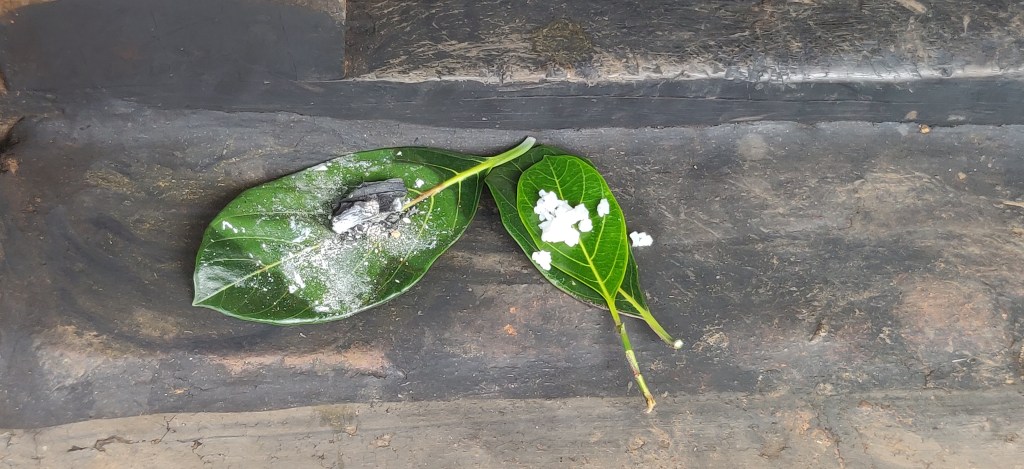
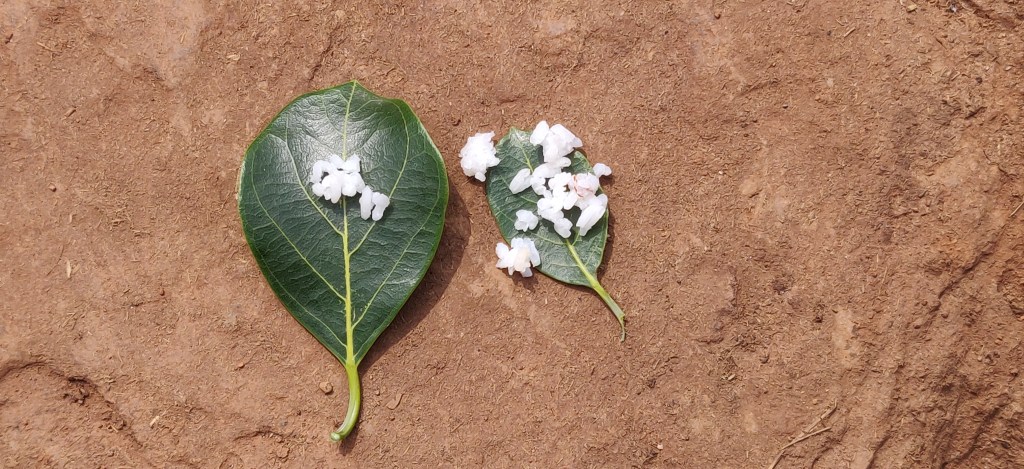
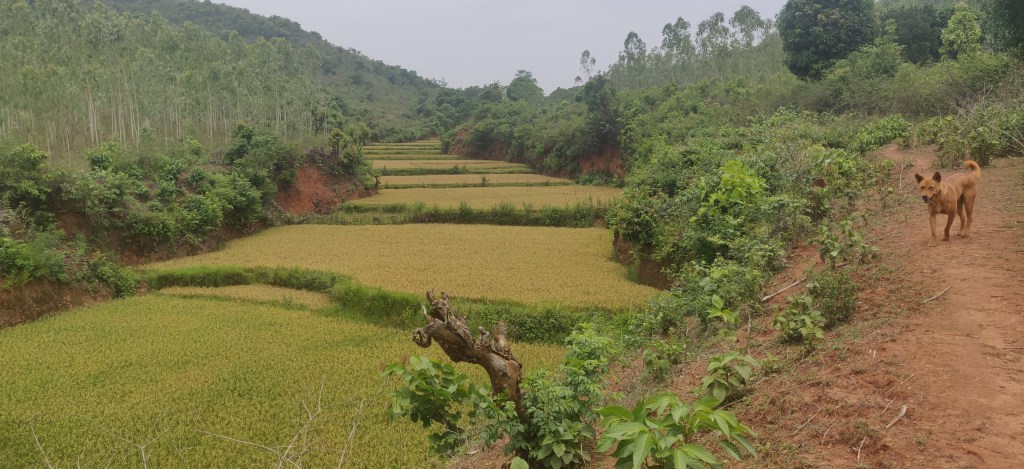
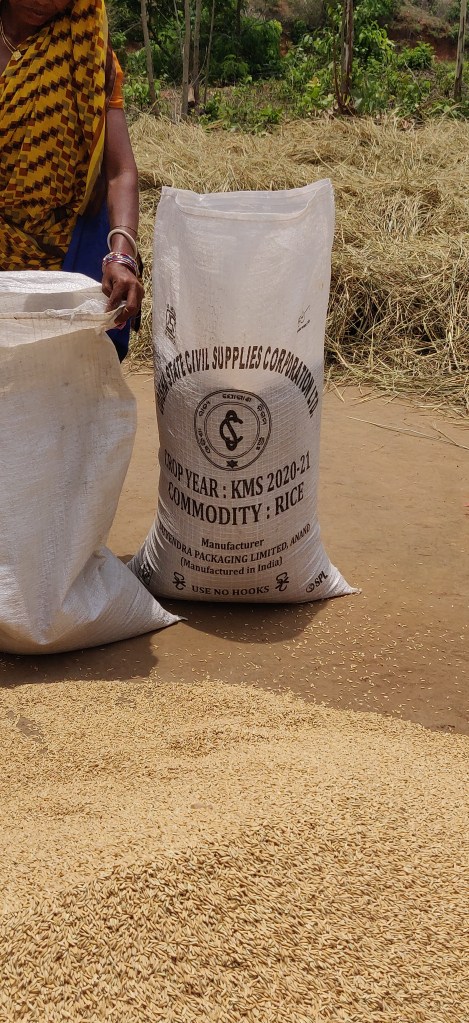
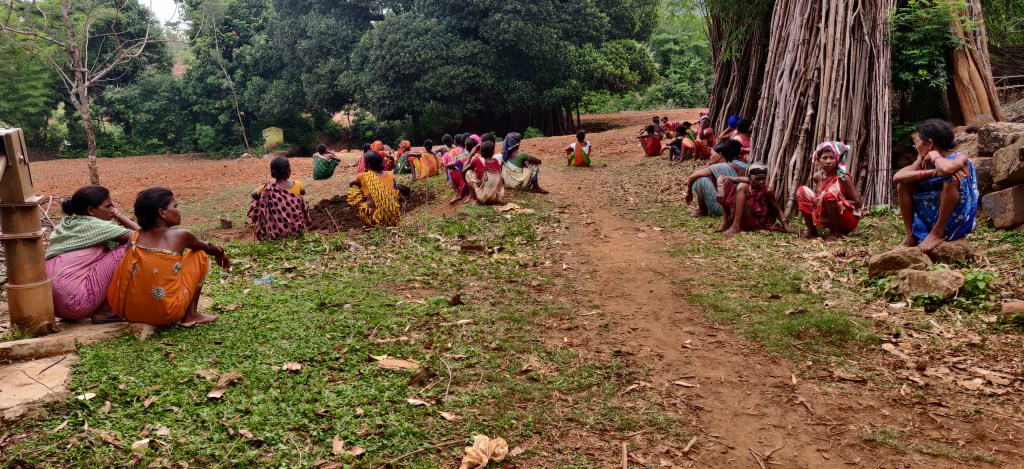
Fieldwork photographs taken by Nidhi Trivedi, researching for her project “Locating the Parenga in their Everyday”.

Research Phase 1

Categories
News

Millets: ancient crops for the future

Text: Gert Gritter, Communication UG

Hunger, dehydration, impoverishment. It doesn’t take a prophet of doom to predict this as the future scenario for certain parts of the world. Millets might just be the solution. There is a good reason for the UN dubbing 2023 the International Year of Millets. UG researchers René Cappers and Peter Berger are trying to find out what is needed to promote the cultivation of these crops in India.

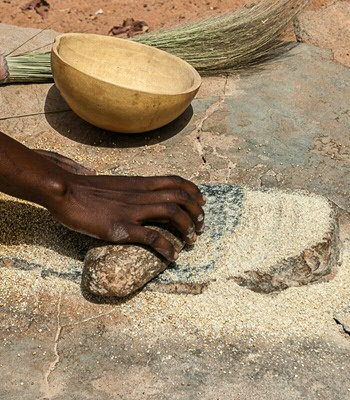
An african woman grinding cereals millet into flour using traditional grindstones, Burkina Faso

Not sexy

The majority of the Western population has never eaten millets. They are not particularly sexy crops. Strange really, because they taste fine, are easy to digest, gluten-free and simple to cook (like rice, but a shorter cooking time). They seem to have an image problem. The low status is largely because it’s seen as a food for poor people. For many years, millets have quite literally lost ground to other varieties of grain.

Not much water or fertilizer

This is a great pity as the about ten different species of grain collectively known as millets are ideal for dry, barren soil, where less robust alternative grains are unable to thrive. Millets don’t need much water or artificial fertilizer and can withstand hot and cold conditions. This is why the Groningen-based researchers Berger and Cappers have applied to the Dutch Research Council (NWO) for funding. In collaboration with colleagues from Frankfurt, they hope to understand the rise and fall of millet cultivation in the past and similar dynamics in the present.

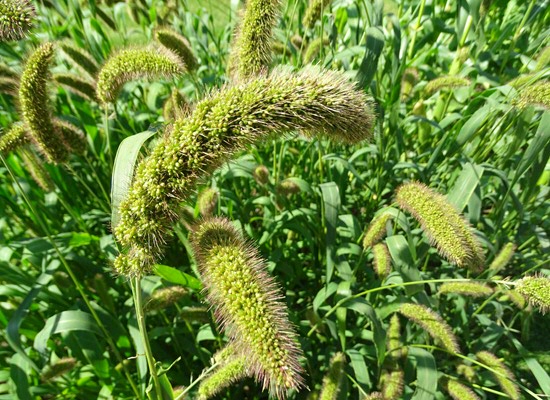
Millets: ideal for dry, barren soil.

Stereo research

Berger and Cappers come from different branches of academia, which makes them a highly suitable team. Berger is a cultural anthropologist, while Cappers is an archaeo-botanist. Whereas Berger has a synchronous focus on the people behind the crop (what the current situation is), Cappers’ primary focus on the crop behind the people is diachronous (how the situation has developed over the years). There’s a funny story about how they met. Berger was in London for an expert meeting, and was explaining that he was exploring the possibilities of millet. Suddenly, the host cried out: ‘You must know René Cappers then!’ They had never heard of each other and knew nothing about each other’s research, even though they only worked a few hundred metres apart.

Partners in crime

Berger and Cappers have something important in common; they are both multi-disciplinarians. Cappers combines his background as a botanist with archaeological research. He is interested in finding out which crops people have cultivated at various times and in various places, including food crops. The main focus of his work is on the development and distribution of farming in North-West Europe, as well as in the Near East and Sub-Saharan Africa. He now has an impressive collection of seeds and other plant material at his disposal. His partner in crime Berger is a social-cultural anthropologist, who works in the Faculty of Theology and Religious Studies. Berger is mainly interested in the way that people interact with food, along with rituals, cosmology and cultural-religious change.

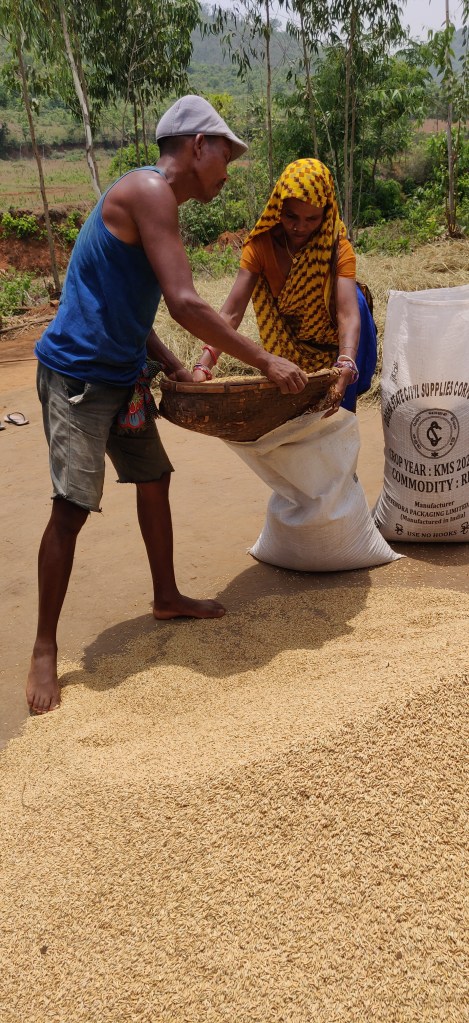
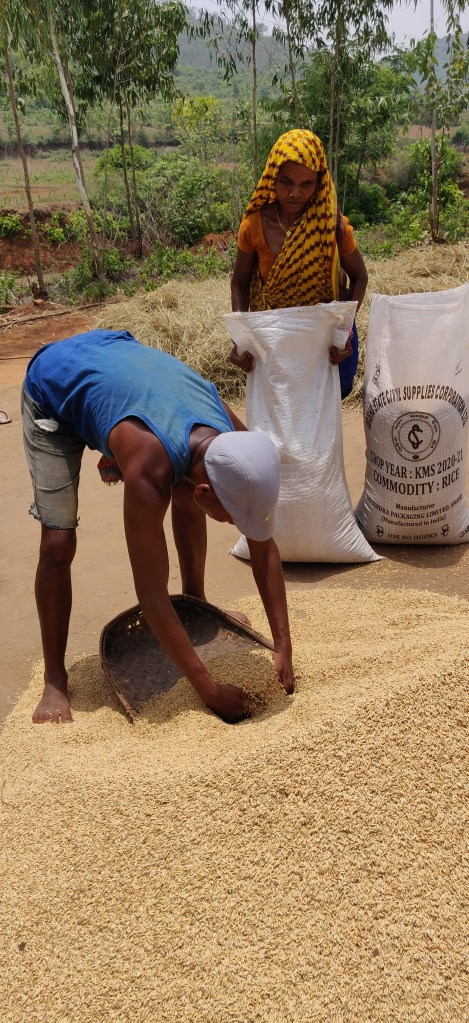
Adivasi woman from Odisha winnowing finger millet (copyright P. Berger)

Highland people

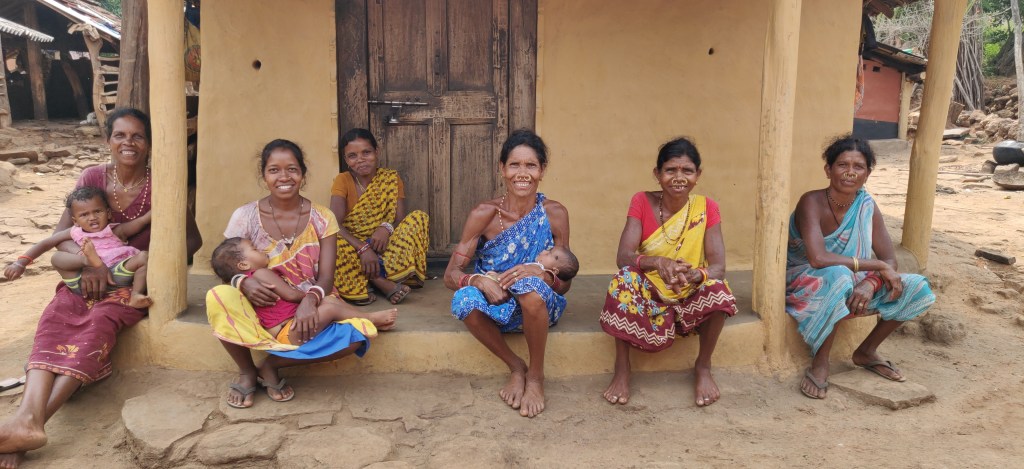
Berger is involved in a long-term ethnographic study taking place in Odisha state, on the eastern coast of India. He is studying the tribal societies of the Adivasis. As they usually live in the remote higher reaches of India, they are commonly known as ‘highland people’.

Berger: ‘They are a marginalized ethnic minority in India, accounting for some 8% of the population. The word ‘‘minority’’ normally implies a small group of people, but everything is relative on a sub-continent with a population of over one billion. This is a highly diverse group of around 100 million people, widely dispersed across the country, and all with their own languages, cultures and religions. Berger spent two years living among the Adivasis in Odisha, learning their language and studying them first hand. He and Cappers are conducting their joint research in this same area.

Millet as children

Cappers and Berger hope that their research will allow them to make recommendations to the Indian government and NGOs about both policy and communication. Cappers: ‘We don’t just want to understand the dynamics behind the choice of food, but also the consequences of intervening in agriculture. In the past, the higher echelons encouraged the people to grow rice and wheat, in the interests of food security and India’s green revolution. But rice farming can have dire consequences for the environment and the landscape, because it requires so much water, for example. A knock-on effect is that culture and society suffer too. The key question is how to ensure that agriculture is sustainable in the long term.’ Berger adds: ‘The cultural dimension is especially important. It is a paradox that millets are now regarded as crop for the future, while de Adivasi are still considered by many lowlanders to be some kind of primitive stone age people. The animistic Adivasis see grains as non-human people, for example. They think and talk about millet as children and rice as bride. So it’s not just about increasing the yield, the nutritional value and filling stomachs.’

Future expectations

What do the researchers think about millet themselves? Cappers is very down-to-earth and prefers ‘ordinary’ food. But Berger ate it quite often while he was living in Odisha and learned to appreciate it: ‘They make a slightly fermented, very creamy, tasty gruel from it. People who work long days outside in the heat drink it twice a day. It provides them with energy and they don’t need to eat anything else then. They were amazed when they saw me drinking bottles of water all day long.’ Finally: what do they expect from millet as a grain in the future? Wearing his biologist’s hat, Cappers tends to think like a scientist. He can see the benefits of millet and various potential uses. Berger is more cautious as an anthropologist: ‘I’m afraid that the Indian government will opt for a top-down approach. Solutions will only succeed if you take the local population into account. It’s not a question of one size fits all…’