Categories
Events News

Panel: “Towards Collaborative Research on Cereal Cultures on South Asia”

As the European Conference for South Asian Studies (ECSAS) 2023 in Torino draws near (26-29. July, 2023), the presentations for our network’s panel, “Towards Collaborative Research on Cereal Cultures on South East Asia” have been released.

Convenors

Peter BergerInstiute of Indian Studies, University of Groningen, Groningen, Netherlands
Roland Hardenberg Frobenius Institute, Goethe University, Frankfurt, Germany
Sofia Filatova Groningen Institute of Archaeology, University of Groningen, Groningen, Netherlands

Panel Abstract

Cereals have been domesticated on almost every continent, and their cultivation and consumption have become fundamental components of food cultures around the world. Various changes in the spectrum of cultivation occurred over time, which had immense impacts on the respective communities. Contemporary choices will likewise influence future human trajectories. Awareness of declining crop diversity and agricultural practices, as well as the impact of climate change, has led to the promotion of nutritionally and environmentally beneficial cereal crops. In India, for example, the FAO-UN has declared 2023 as the “Year of Millets.” How exactly have changing grain preferences affected communities in the past? How does the current promotion of certain grains affect farming communities, their modes of production and consumption? How can we integrate past and current data on cereals to promote food security, food sovereignty, and biodiversity?

The goal of this panel is to understand the complexity of human engagement with cereals (e.g., crop selection, food production, crop competition). To this end, we consider symmetrical collaboration across disciplines and among different stakeholders to be essential. This raises the question of how plant research is influenced by regional or disciplinary traditions and by the multiple interdependencies between humans and cereals. We (anthropologists and archaeobotanists) invite contributions that address the various dimensions of cereal crops in South Asia (past and present) and, in conjunction, may reflect on potentials, challenges, and obstacles to multidirectional collaboration.

Presentations

Changing the narrative – moving beyond ‘proto-indica’ debates to think about the complexity of early rice use in India.
Bates, JenniferSeoul National University, Archaeology and Art History, Seoul, Republic of Korea

Agricultural diversification in Rural North-West India: Understanding Transitions and Its Socio-Ecological Implications.
Dalal, Anjali The University of Edinburgh, South Asian Studies, Edinburgh, United Kingdom

The maize fields of ‘Mini Swiss’: Tracing transitions in cereal farming among Tibetan refugees and host communities in southern Karnataka.
Geschewski, Hanna Chr. Michelsen Institute, Bergen, Norway

Combining archaeology, ethnography, and modelling to understand the historical depth of millet exploration in the Indus Valley.
Lancelotti, CarlaUniversitat Pompeu Fabra – ICREA, Humanities, Barcelona, Spain
Madella, MarcoUniversitat Pompeu Fabra – ICREA, Humanities, Barcelona, Spain

‘Millets in the Milieu’: Mapping socio-cultural change amidst surgin cash crop farming of millets and other crops among tribals of Odisha, India.
Mohanty, Bijayini Utkal University, Anthropology, Bhubaneswar, India
Kumar, Ashutosh University of Groningen, Faculty of Theology and Religious Studies, Groningen, Netherlands
Bhattacharyya, Shilanjani Goethe University, Frankfurt, Germany

Emerging valuations of cereal crops and their cultures in South and Central Asia.
Trivedi, Nidhi University of Groningen, Department of the Comparative Study of Religion, Faculty of Theology and Religious Studies, Groningen, Netherlands
Kesavan, Indhubala Goethe University, Frankfurt, Germany
Kumar, Suneet Goethe University, Frankfurt, Germany
Utetileuova, Togzhan Goethe University, Frankfurt, Germany

“We are cent percent wheat growers”: Production and Exchange Relations in Narmada Valley, India.
Arora, SunitAzim Premji University, Economics, Bangalore, India

Eating Millets in Autumn: Memories of Farming, Crops and Hunger in East Central India.
Sengupta, SohiniTata Institute of Social Sciences, Social Work, Mumbai, India
Categories
Events News

Exhibition: Related Beings. Cereals in Transition

The exhibition “Related beings: Cereals in transition” was inaugurated on 23rd of June 2023 at 12 pm as part of the annual ethnological summer symposium organized by the Frobenius Institute (FI).

The idea of the exhibition was developed by Peter Berger and René Cappers when they were at the FI as Mercator visiting professors between March and June 2023. Next to these two, the team realizing the exhibition consisted of Marius Heimer (technical support), Jennifer Markwirth (layout) and Peter Steigerwald (digitization of the photo negatives and slides / production and mounting of the prints).

The booklet accompanying the exhibition can be accessed here.

The Curators

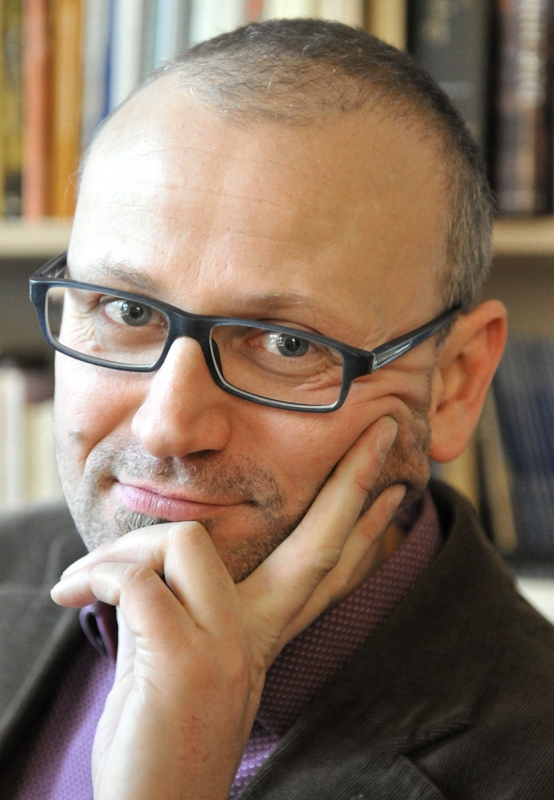
Dr. Peter Berger

University of Groningen, Faculty of Theology and Religious Studies, Associate Professor of Indian Religions and the Anthropology of Religion

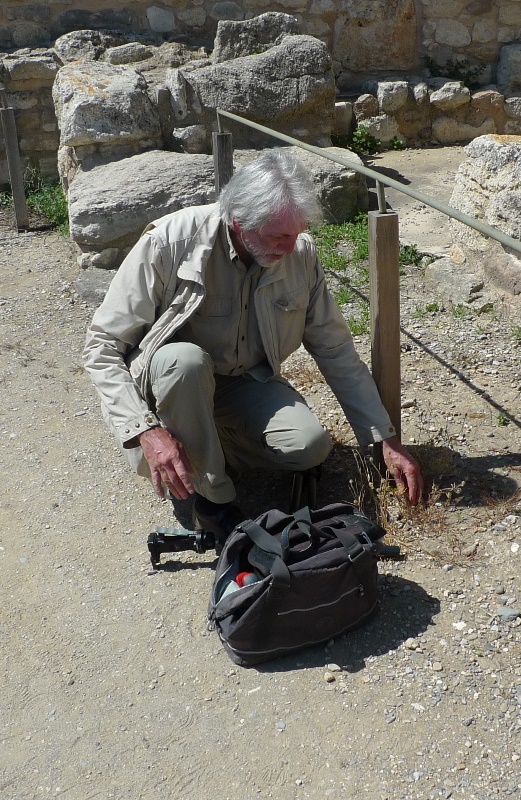
(Photo: Elmer Spaargen)

Prof. René Cappers

University of Groningen, Groningen Institute of Archaeology, Professor of Archaeobotany

(Photo: Private Source)

Exhibition Description

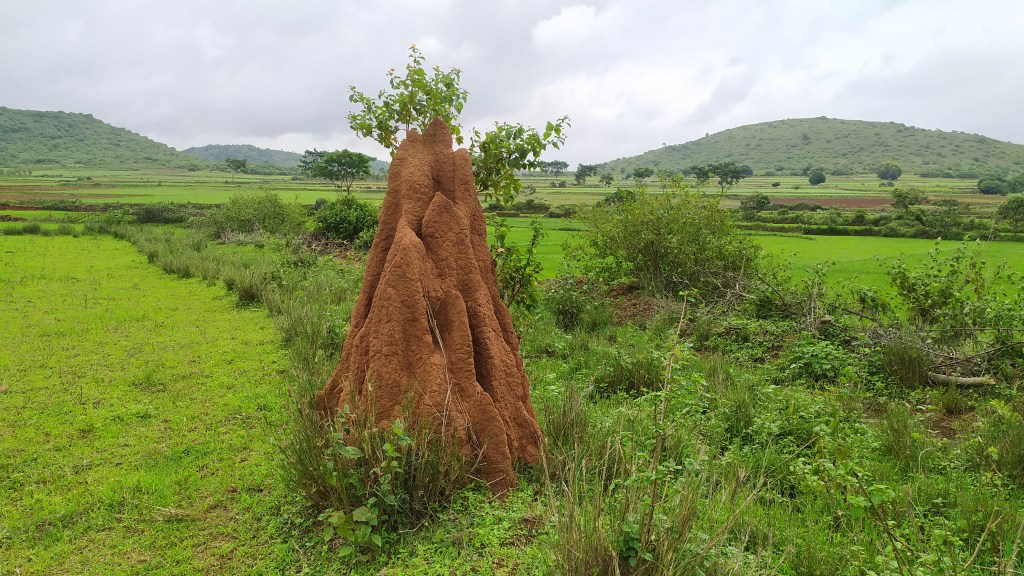
Cereals grow humans; termites cultivate fungi; a palm-tree nurses newborn human twins; an iron object becomes alive to ward off a sorcery attack; a female shaman (alias the earth goddess) uses her agricultural tools not for processing cereals, but to grind earth and pound dust; human blood is sprinkled over the soil and every kind of grain originates; termites evolve from cereals.

In their myths, rituals and agricultural practices, indigenous communities (Adivasi) inhabiting the highlands of Central India called the Eastern Ghats demonstrate the entanglement of a multitude of beings. Adivasi livelihoods based on the cultivation of rice and millets, especially finger millet, are currently the target of massive state interventions. Because of their nutritional properties, drought and disease resistance and low ecological footprint, millets have recently been discovered as the “smart food” for the future and 2023 has been declared as the UN International Year of Millets. Accordingly, state funded “Millet Missions” promote the cultivation, distribution and consumption of millets, also among the Indian urban middle classes.
As part of three international collaborative projects on “Cereal Cultures” (funded by the German Research Foundation (DFG) and the Dutch Research Council (NWO)) socio-cultural anthropologists and archaeobotanists investigate these ongoing dynamics between local cultivation practices and worldviews in relation to the policy measures of NGOs and the state, also against the backdrop of shifts in cultivation practices in the past.

This exhibition highlights some aspects of these processes. The sub-title “Cereals in transition” refers to different dimensions of transformations. First, farmers have been choosing between different kinds of grain since the beginning of agriculture, favoring at a certain moment in history one cereal over another. The specific properties and affordances of cereals have often been crucial in this selection process, for instance, with regard to the amount of labor that needs to be invested. Second, the current policy measures introduce new crops, new technologies, new food products and thereby transform local practices. Finally, “Cereals in transition” refers to the local worldviews of interrelated beings mentioned above, in which humans, animals and plants potentially and situationally transform into one another, especially in the domains of myth and ritual. The fundamental activity in this process is sacrifice, as it is blood that is the major catalyst and agent of transformation. From the local point of view, sacrifice and agriculture are necessarily intertwined in the attempt to navigate the flow of life.

The exhibition is currently open for viewings in the hallway of the Frobenius Institute at Frankfurt University (Ground Floor, IG Farben Building, Campus Westend).

Categories
Events

Book Launch, 11th of May 2023

On the 11th of May, 2023, our researchers Peter Berger and René Cappers launched their newest works at the Goethe University, Frankfurt.

Though not published as part of the ongoing Cereal Cultures research, two books by Peter Berger and René Cappers were presented and discussed in a public book launch at the Goethe University, Frankfurt. Both books deal with key-issues that are at the heart of the research of the Cereal Cultures network and the event demonstrated the relevance of interdisciplinary cooperation on such complex issues. Next to the numerous people present, several scholars joined online, for instance from Germany, the Netherlands, the UK and Australia. 

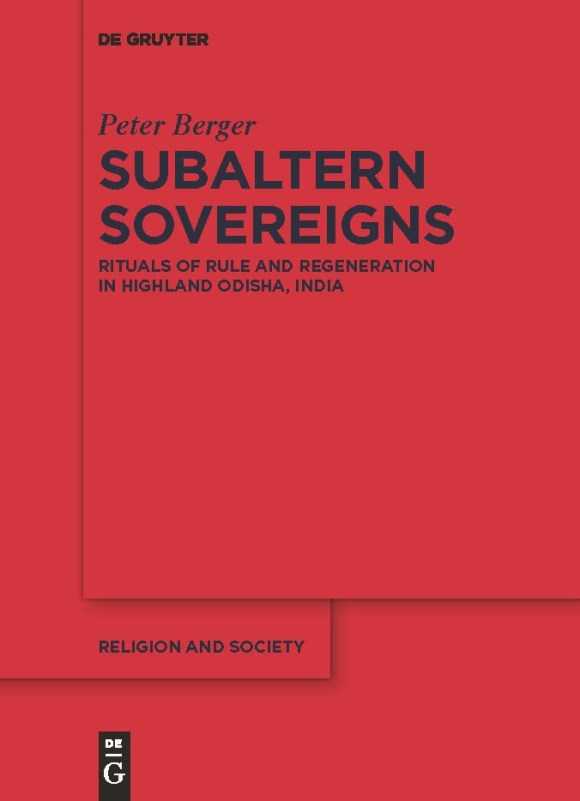
Berger, Peter (2023). Subaltern sovereigns. Rituals of rule and regeneration in Highland Odisha, India. De Gruyter. [Link]

Click here for a recent review.

The vast and ancient topic of kingship in India has mostly been studied from the perspectives of rulers and other elites. But what constitutes sovereignty viewed from “below”? This book — ethnographic and comparative in its essence — deals with indigenous conceptualizations of sovereignty taking as its starting point a local proverb that connects the ritual (Dasara) of the king with festivals performed by his “tribal” subjects. The first part of the book initially introduces some pan-Indian ideas of kingship and proceeds to discuss indigenous notions of sovereignty as represented in rituals and myths in the region concerned (highland Odisha). The second part is devoted to the investigation of the proverbial performances. Mainly based on historical sources first the Dasara festival of the king is discussed, subsequently the indigenous rituals are described and analyzed, which the author ethnographically documented around the turn of the millennium. Ultimately, the proverb and the rituals constitute the idea of a sacrificial polity in which rulers and ruled share sovereignty in the sense that they are co-responsible for the flow of life.

Discussants:

Roland Hardenberg, Frobenius-Institut für Kulturanthropologische Forschung an der Goethe-Universität Frankfurt am Main

and

Guido Sprenger, Institut für Ethnologie, Universität Heidelberg

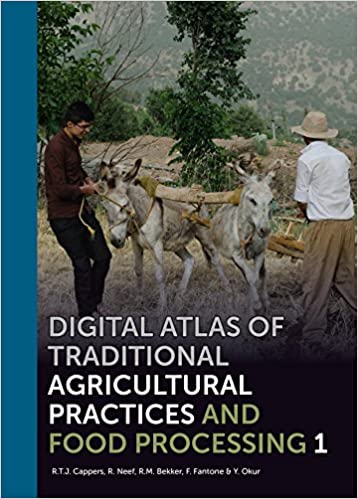
Cappers, René T. J., R. Neef, R. M. Bekker, F. Fantone & Y. Okur (2016). Digital atlas of traditional agricultural practices and food processing. Groningen Archaeological Studies 30. Groningen: Barkhuis and Groningen University Library. [Link]

Agriculture involves the production of crops and the breeding of animals, termed crop husbandry and animal husbandry, respectively. Traditionally, both kinds of husbandry were practised together, enabling people to benefit from all kinds of interactions among humans, plants, and animals. We briefly describe this symbiosis in the introductory portion of this book. In the chapters that follow, we discuss traditional agricultural practices and food processing primarily as they relate to crop husbandry. Agricultural practices and food processing deal with processes that may include different operations. In this book, we aim to define and describe these various processes unambiguously by taking into account the intention behind the process. We use a standardized
vocabulary that makes it possible to study all stages of crop production, crop processing, and food processing, irrespective of the kind of crop or its end product. Although our focus is on the processes, we inevitably also devote some attention to the underlying structures. It is our challenge to use this publication as a frame of reference for further research and to test whether our definitions and descriptions are in need of further improvement.

Discussants:

Katharina Neumann, Afrikanische Archäobotanik, Archäologie und Archäobotanik Afrikas, Goethe-Universität Frankfurt am Main

and

Alexa Höhne, Afrikanische Archäobotanik, Archäologie und Archäobotanik Afrikas, Goethe-Universität Frankfurt am Main

Categories
Events News

Collaborative Cultural Anthropology: Workshop “Cereal Cultures in Odisha”

Photo: Dr. Sanjaya Kumar Sarangi

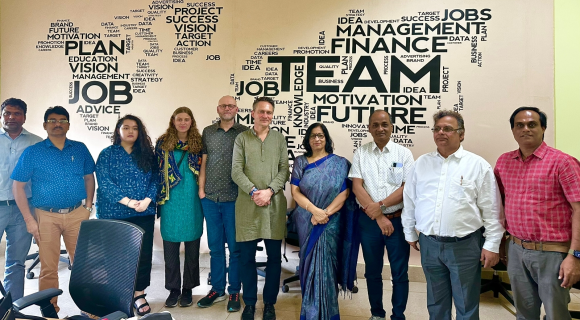
As part of the close collaboration between researchers from three universities and research institutions in India (Utkal University), the Netherlands (University of Groningen) and Germany (Frobenius Institute at Goethe University), a workshop on “Cereal Cultures in Odisha” was held on the 10th of February, 2023 in Bhubaneswar, India.
In the presence of the Vice-Chancellor of Utkal University, Prof. Dr. Sabita Acharya, the first results of the joint research on the changing significance and handling of rice and millet were presented. The event also aimd to bring together participating scientists with government officials, NGOs and entrepreneurs to jointly discuss key issues related to the UN Year of Millet 2023. Plans were also discussed for the establishment of a shared archive for grain collected during the field research. A highlight was the ceremonial launch of the joint homepage, which will inform the public about the ongoing research projects: https://cerealcultures.wordpress.com/

More information about the workshop can be found here.

Categories
Events News

Berger & Cappers Mercator Visiting Professors in Frankfurt, March-June 2023

As part of the Cereal Cultures cooperation and the DFG project From ‘poor man’s food’ to ‘nutri-cereals Peter Berger and René Cappers visited the Frobenius Institute as Visiting Professors between March and June 2023. This enabled intensive discussions between the members of the Cereal Cultures network and included some highlights such as a book launch and the opening of an exhibition. 

More information can be found here.

Categories
Indhubala

Gallery on Rice in India: Indhubala

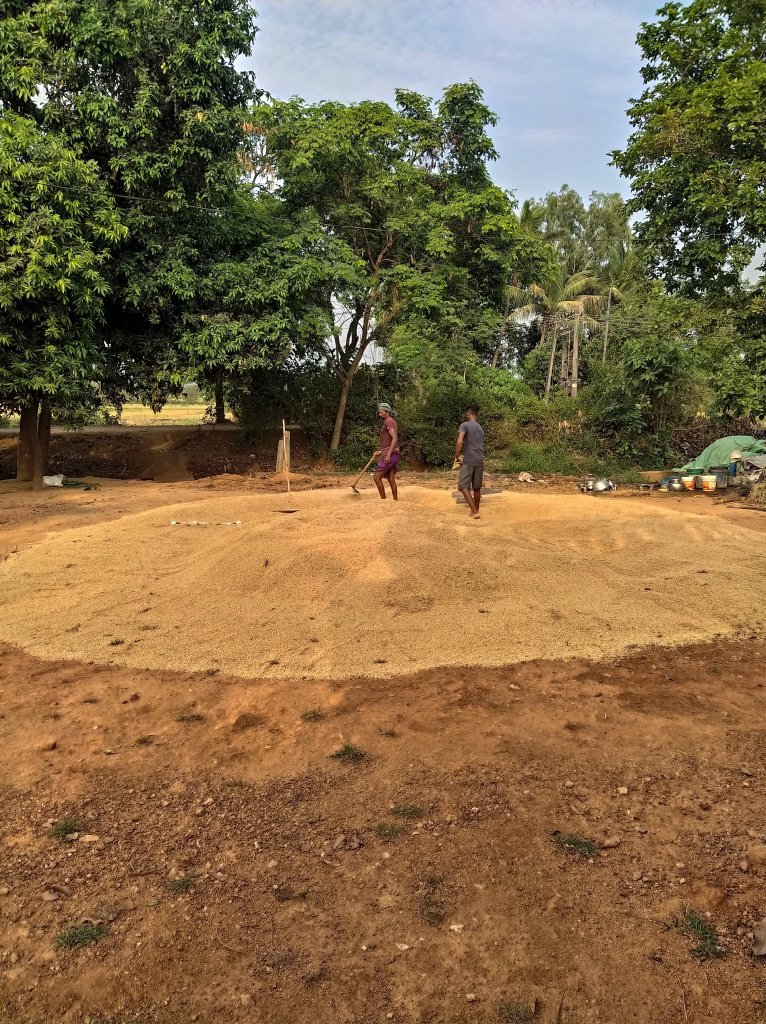
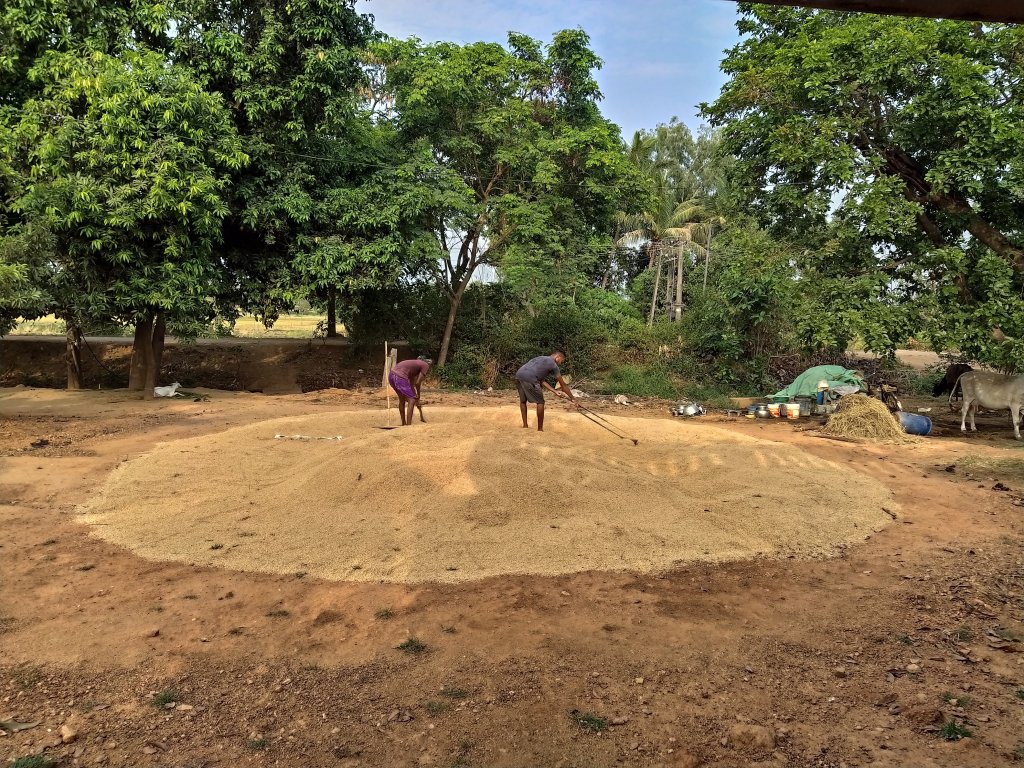
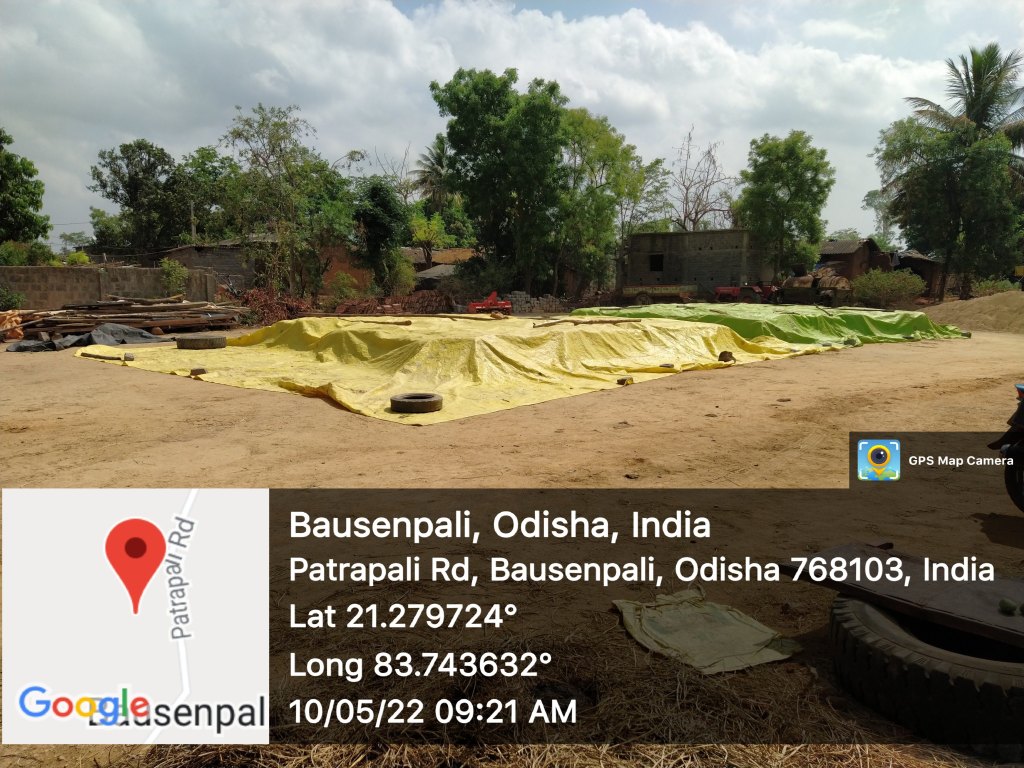
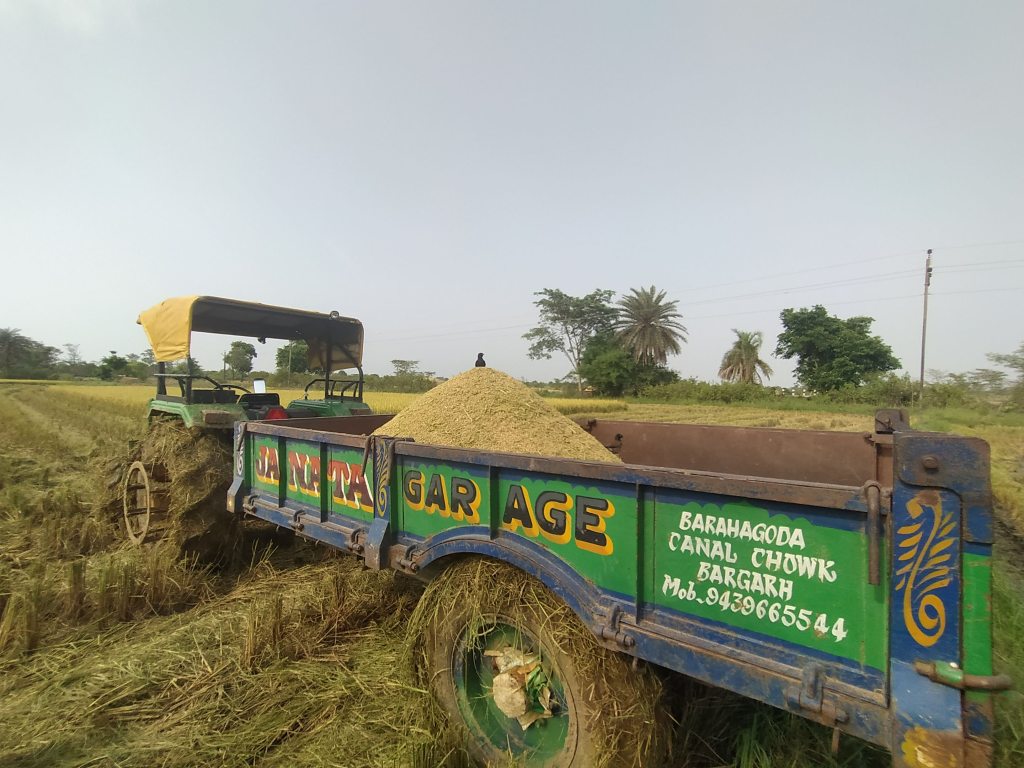
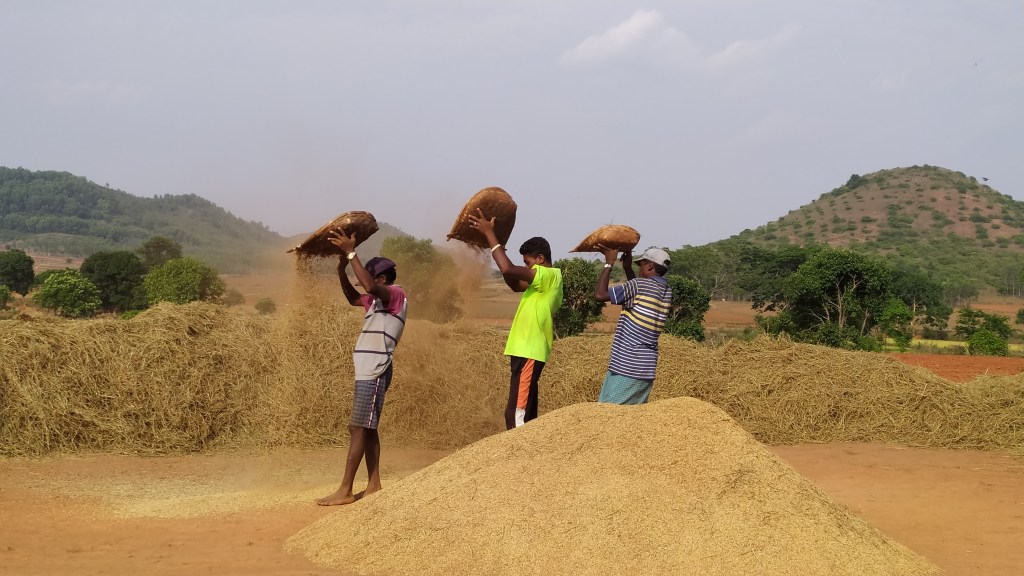
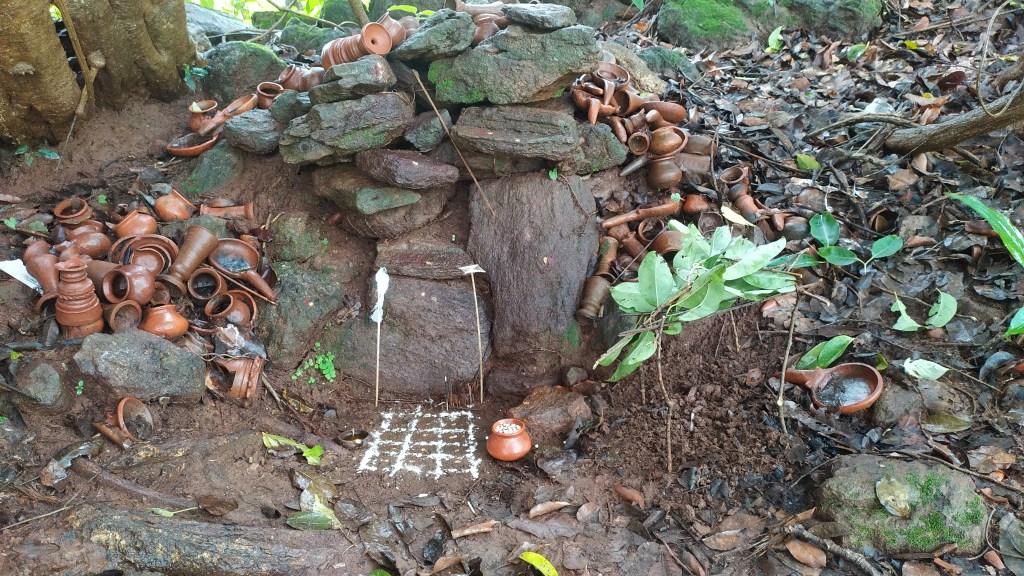
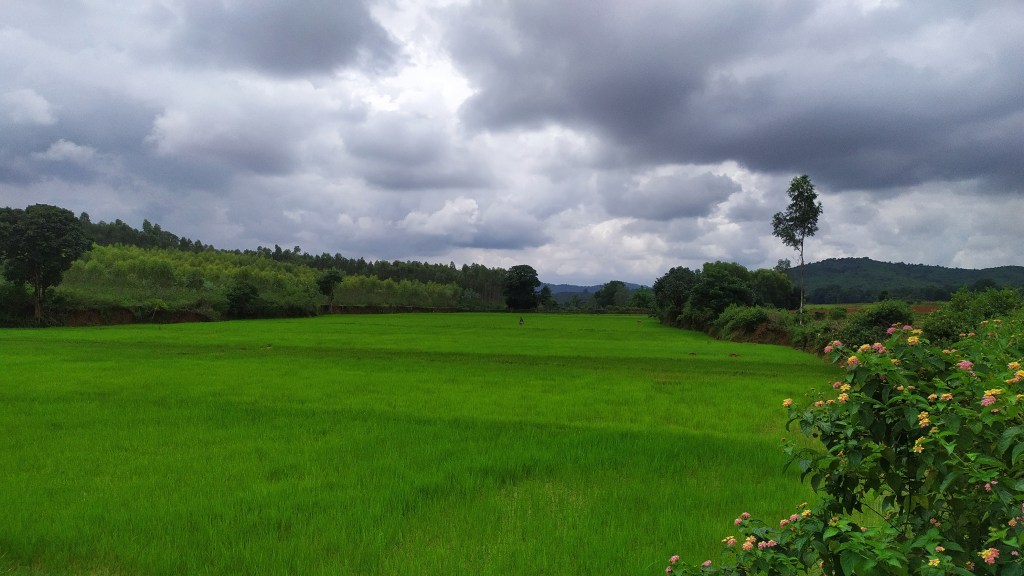
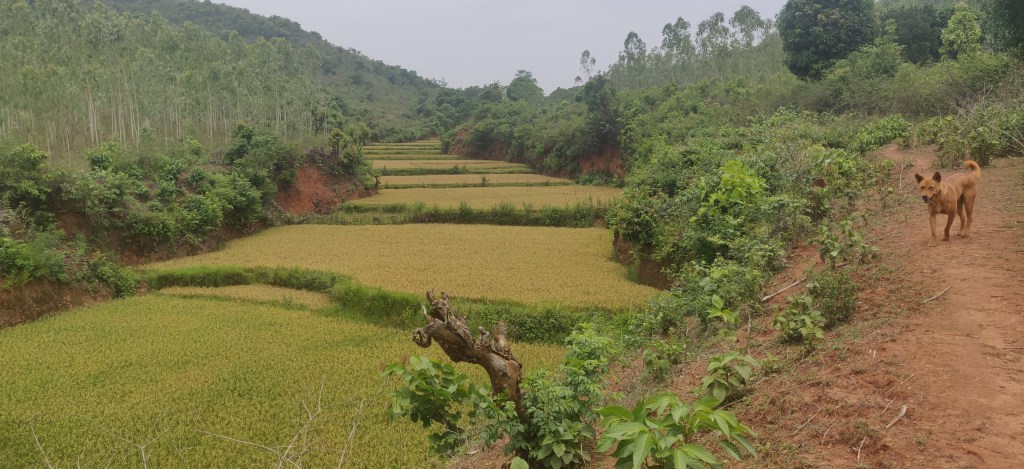
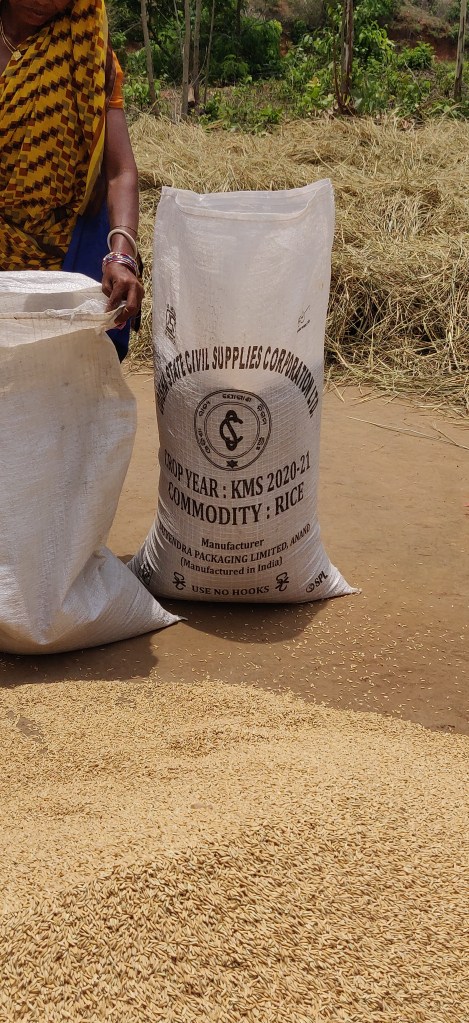
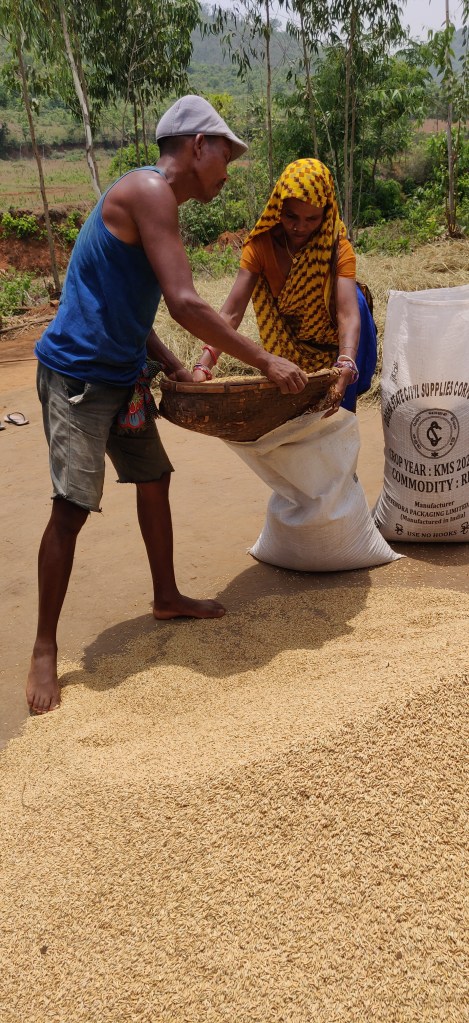
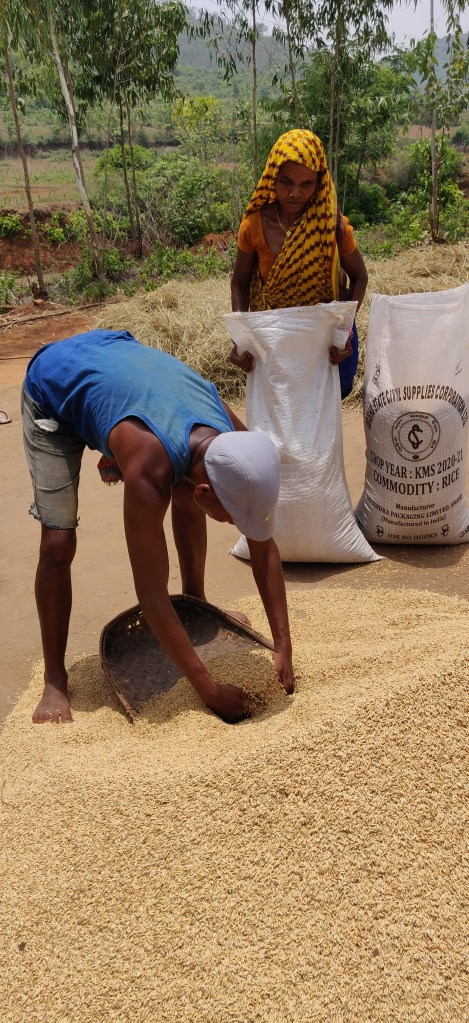
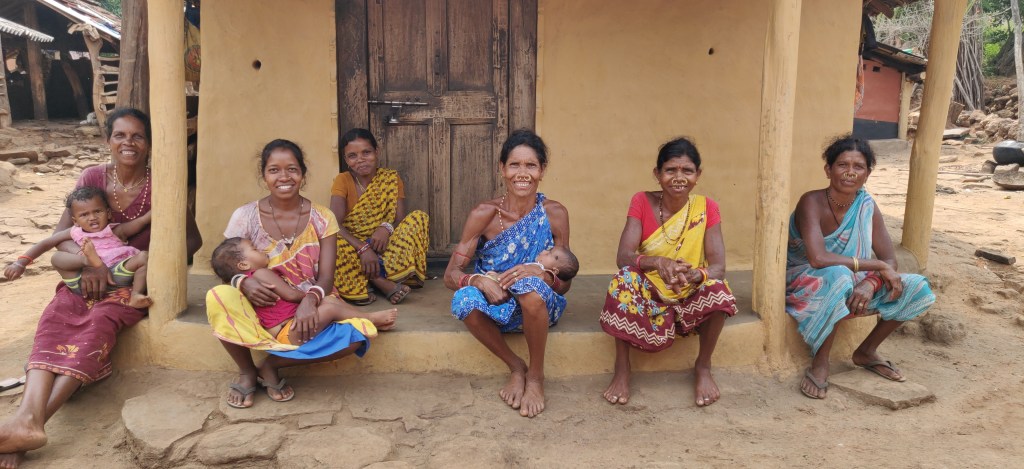
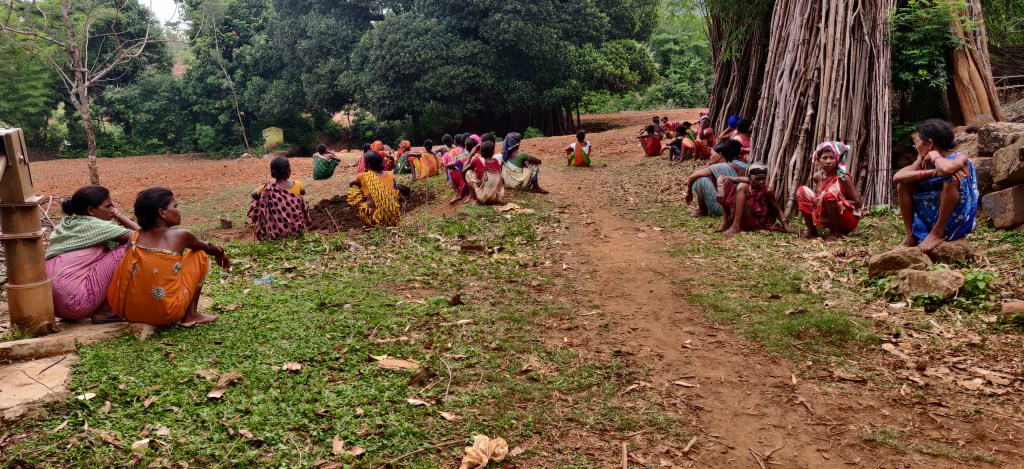
Fieldwork photographs taken by Indhubala Kesavan, researching for her project “A preliminary account on the socio-historic aspects in the making of the ‘rice bowl’ of Odisha”.

Fieldwork Phase 1:

Categories
Suneet

Gallery on Rice in India: Suneet

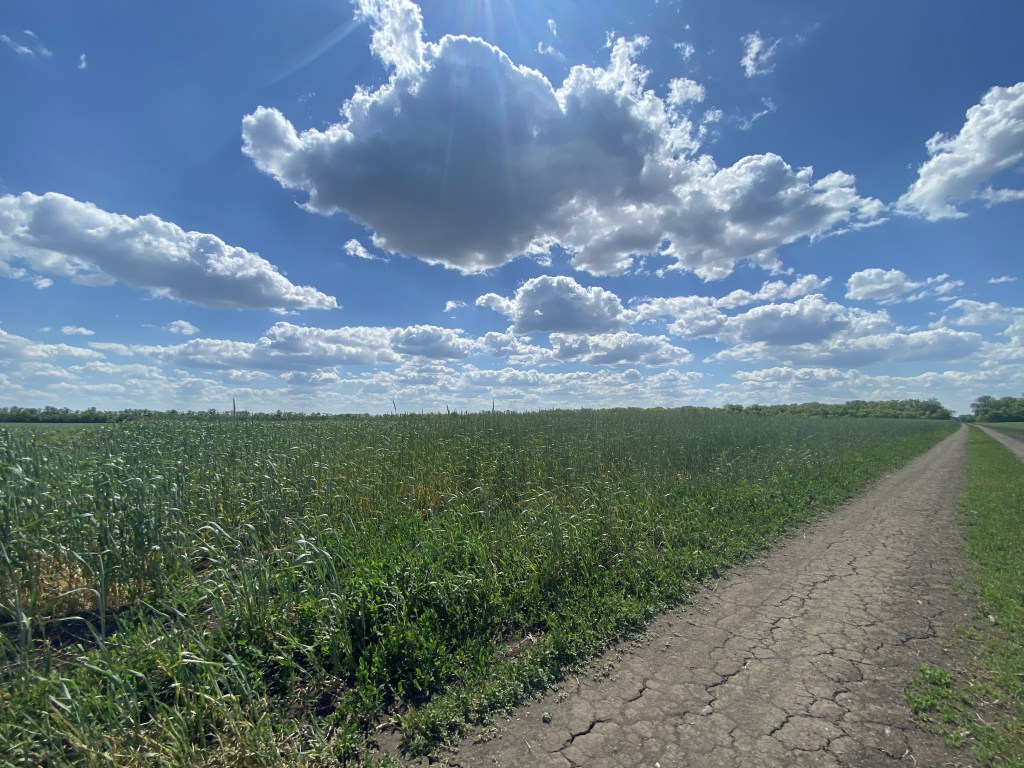
Fieldwork photographs taken by Suneet Kumat, researching for his project “Usage of Rice in Rituals and Meaning-Making of the ‘socio-cosmic’ World of Jodia Poraja”.
Fieldwork Phase 1:

Categories
Nidhi

Gallery on Millets in India: Nidhi

Fieldwork photographs taken by Nidhi Trivedi, researching for her project “Locating the Parenga in their Everyday”.
Research Phase 1

Categories
Togzhan

Gallery on Wheat in Kazakstan: Togzhan

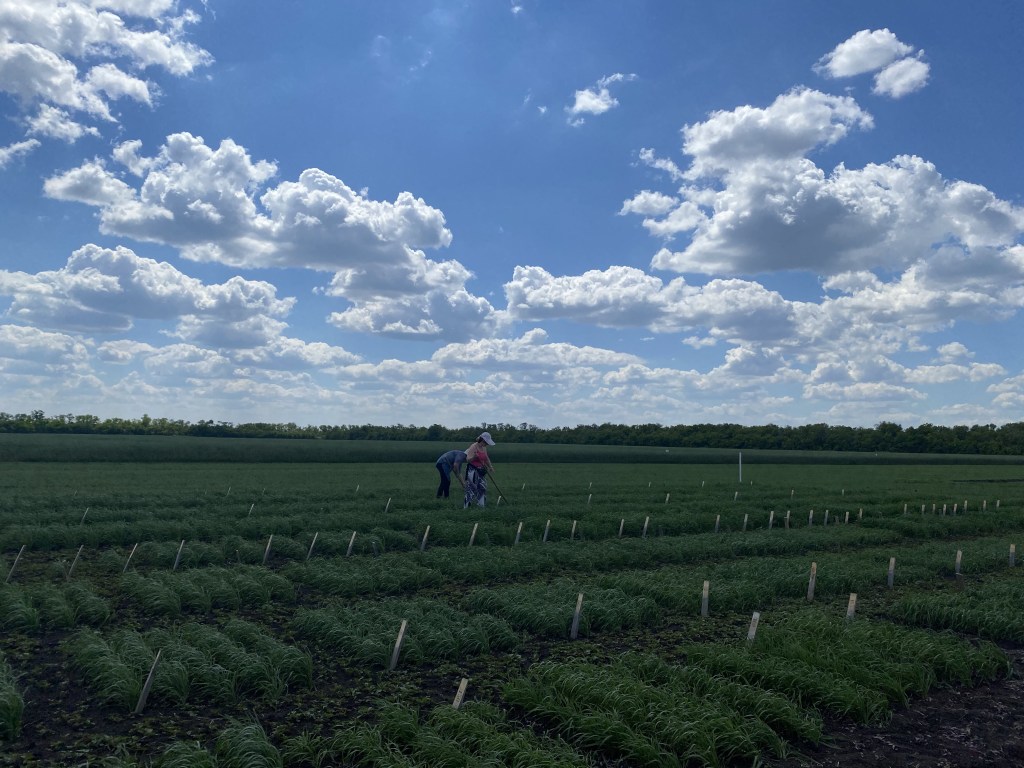
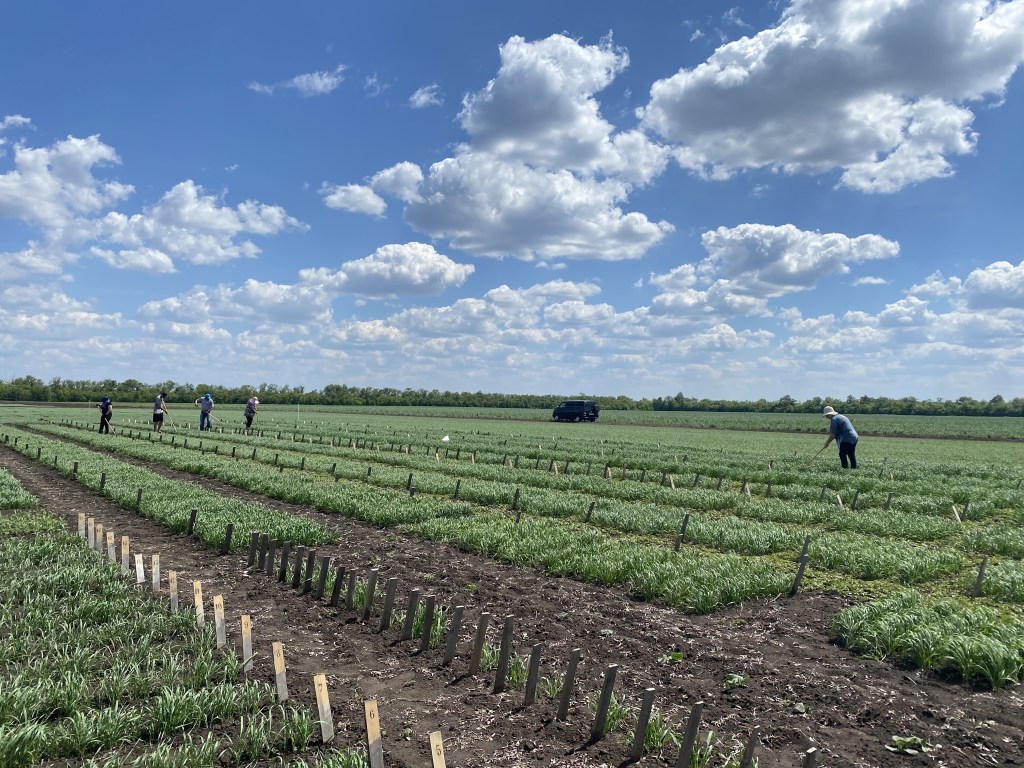
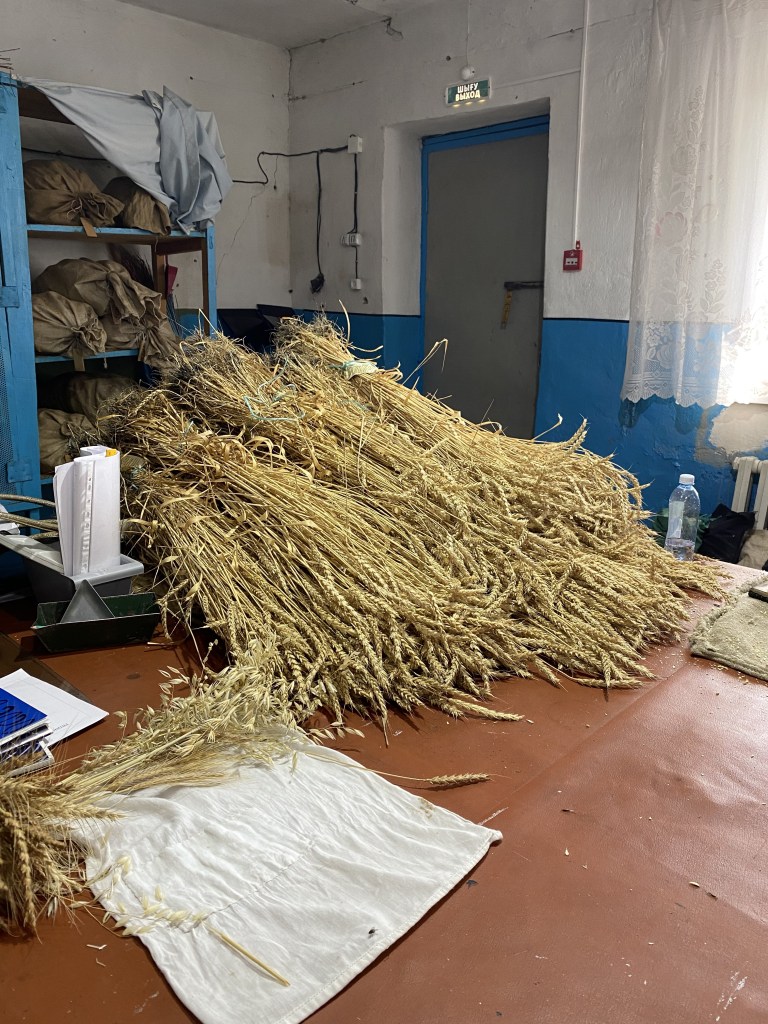
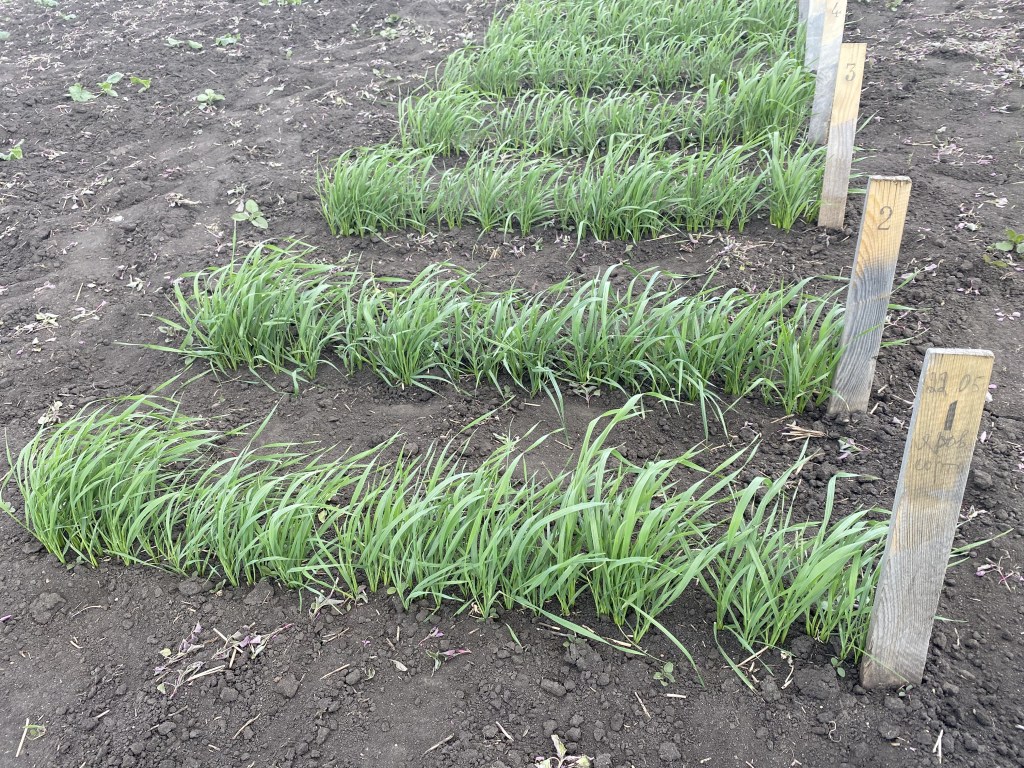
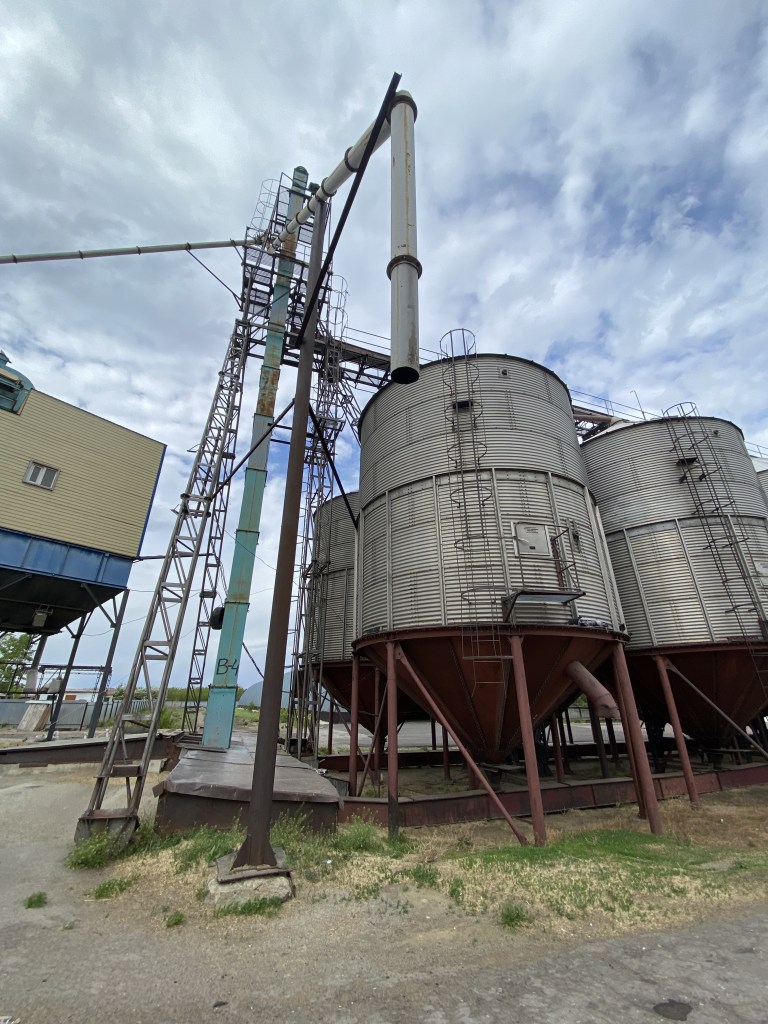
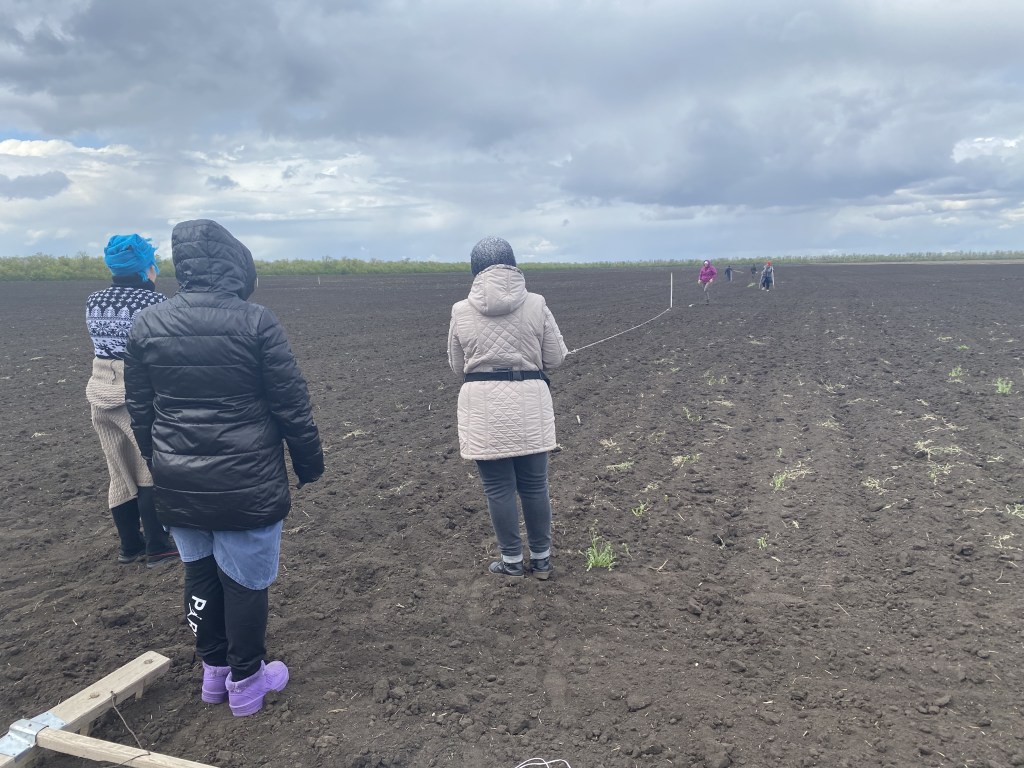
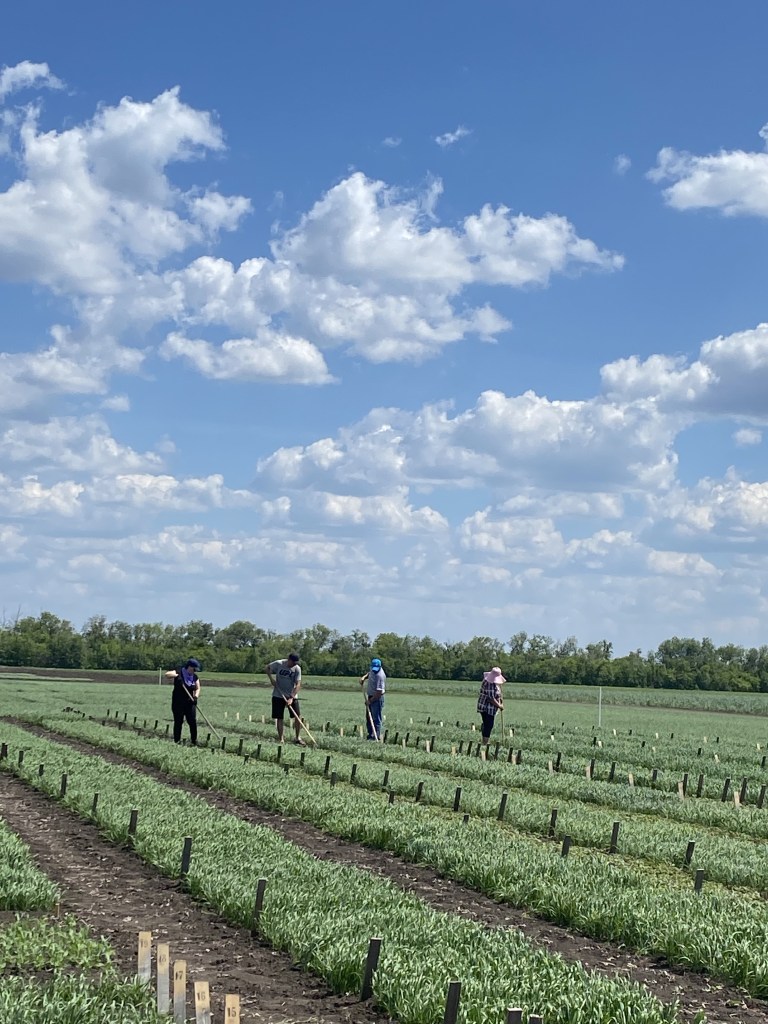
Fieldwork photographs taken by Togzhan Utetileuova, researching for her project “Not far from the Soviet Union: the pursuit of perfect (hybrid)seeds and reindustrialization in North Kazakhstan’s wheat fields”.

Research Phase 1:

Categories
Events News

Cereal Cultures Workshop in Groningen, 30.09-01.10.2022

During the autumn workshop in Groningen 2022 preliminary research results were discussed among the international team members of the Cereal Cultures network. Moreover, the next stage of research was planned and the development of the knowledge dissemination tools discussed, such as the Massive Open Online Course (MOOC) and the making of a documentary film about our Cereal Cultures in Odisha, India.

Further information about the program and participants can be found here.